











What Are Headset Drivers?
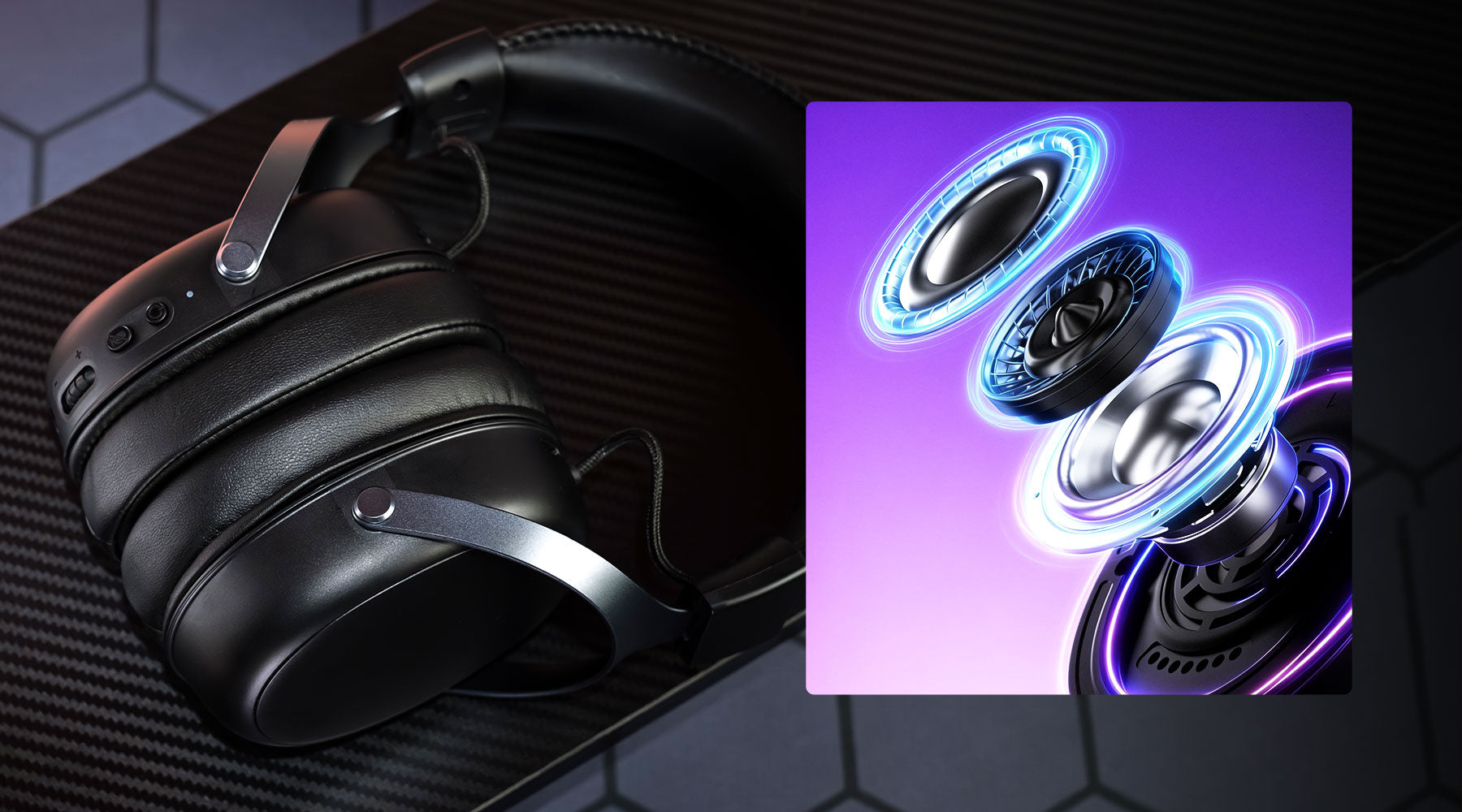
The headset driver is the speaker of the headset. It transforms incoming electrical signals into mechanical vibrations using principles like electromagnetism and static electricity. And then move the air to create sound that our ears perceive as sound.
The headset driver largely determines the headset's overall performance, sound quality, and audio characteristics.
Components of the Headset Driver:
- Magnetic Circuit: Creates a magnetic field that interacts with the voice coil. The strength and design of the magnetic circuit affect how efficiently the driver produces sound.
- Voice Coil: A small coil of wire that moves in response to the audio signal. Its movement drives the diaphragm.
- Diaphragm: A thin, flexible membrane that vibrates to create sound waves. The material and size of the diaphragm influence the bass, mids, and highs.
Common Types of Headset Drivers
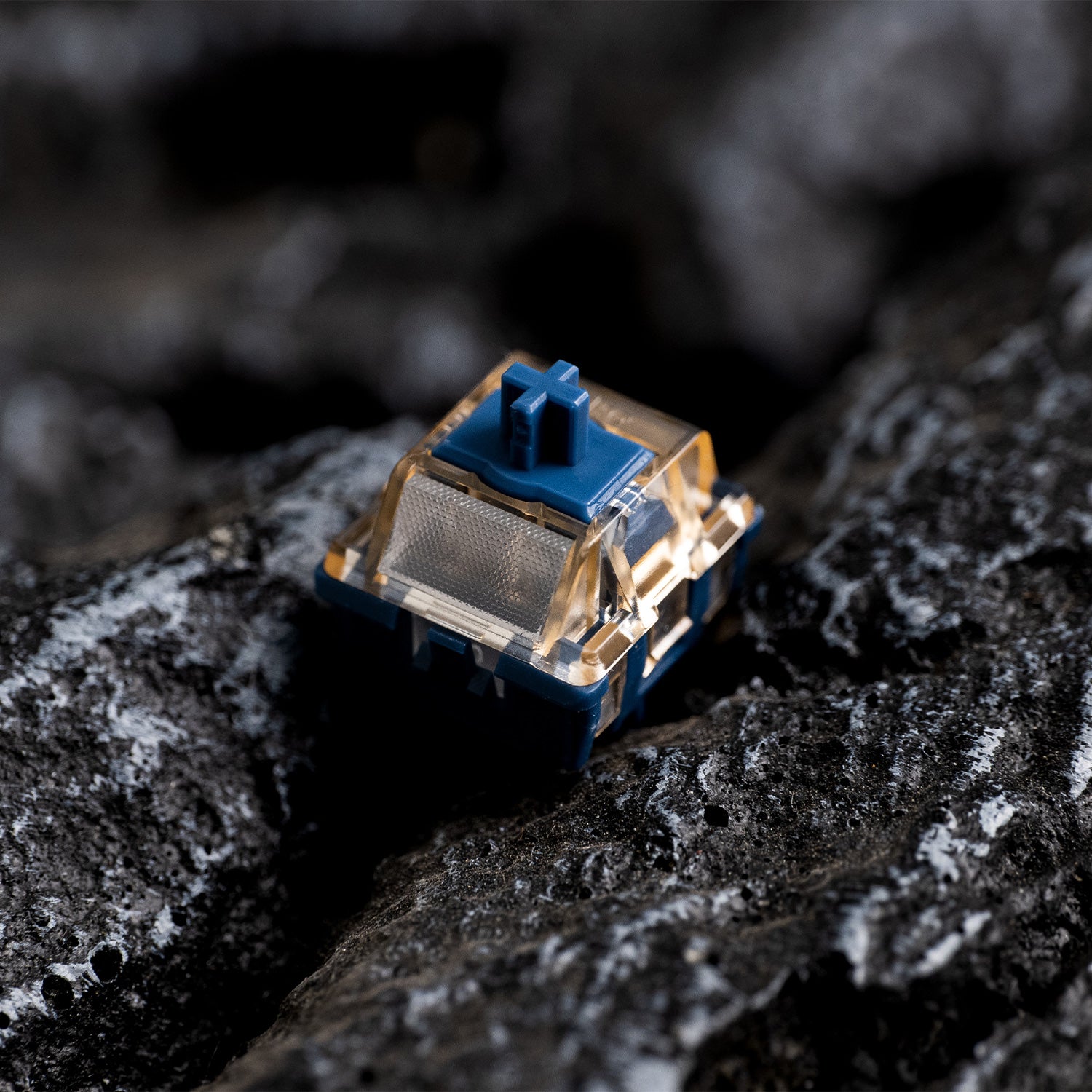
If you are familiar with mechanical keyboards, understanding the headset driver becomes much easier. In simple terms, the driver in a headset is like the switch in a mechanical keyboard—they both play a key role in defining performance and overall experience. And they both have different types to meet different needs.
- Dynamic Drivers: Most common, strong bass, affordable
- Balanced Armature Drivers: Clear mids and highs, usually in-ear monitors
- Planar Magnetic Drivers: High accuracy and detail, premium headsets
- Electrostatic Drivers : Ultra-high-end, audiophile niche
What Types of Drivers are in Gaming Headsets?
For the gaming headset, clearly hearing the direction and distance of footsteps and gunshots is especially important. Most gaming headsets utilize dynamic drivers because of:
- Cost-effective: Delivers strong sound quality and powerful bass at a reasonable price.
- Strong low-frequency performance: Dynamic drivers excel at reproducing deep bass, capturing the impact of explosions and gunfire for a more immersive gaming experience.
- Easy to drive: With low impedance and high sensitivity, they can be powered effortlessly by computers, gaming consoles, and smartphones.
Balanced armature drivers provide clear mids and highs, often found in in-ear gaming headsets. Planar magnetic drivers are high-end, delivering precise, detailed sound with low distortion, while electrostatic drivers are rare and usually reserved for audiophile-grade headsets. In addition, some gaming headsets also adopt a hybrid multi-driver design.

Does Driver Size Affect Sound Quality?
Yes, the headset driver size does affect the sound quality. It is one of the factors that can affect the sound quality, but it is not the most important.
The diver size refers to the diameter of the diaphragm. The larger the diaphragm, the more air it can theoretically move.
| Physical Effect | Specific Manifestation |
|---|---|
| Increased Air Movement | A larger diaphragm moves more air, producing stronger and more abundant low-frequency energy |
| Deeper Low-Frequency Extension | A larger diaphragm enables lower resonance frequencies, resulting in deeper, fuller bass |
| Wider Soundstage | A larger diaphragm helps create a more spacious soundstage for a more immersive experience |
A larger diaphragm mainly enhances low-frequency performance and soundstage, rather than improving performance across the entire frequency range.
40mm vs 50mm Drivers: What’s the Difference?
Some gamers believe that the 50mm driver is larger, and the sound will be clearer, so it will be better for FPS gaming. In reality, driver size alone doesn’t determine sound quality. Let’s first take a look at the differences between 40mm and 50mm drivers.
| Feature | 40mm Drivers | 50mm Drivers |
|---|---|---|
| Diaphragm Size | Smaller, lightweight | Larger, moves more air |
| Bass Response | Moderate, controlled | Stronger, deeper, more immersive |
| Mids & Highs | Clear and balanced | Clear but slightly less pronounced |
| Soundstage | Narrower, focused | Wider, more immersive |
| Weight | Lighter, more comfortable for long use | Heavier, may feel bulky for some |
| Best Use | Casual gaming, voice chat, general media | Immersive gaming, cinematic sound, music lovers |
Footsteps mainly fall within the mid-to-high frequency range (around 1kHz–4kHz), while the advantages of larger drivers are primarily in the low-frequency range (about 20Hz–200Hz).
A larger diaphragm moves more air, so the bass sounds stronger. But if the tuning isn’t good, the bass can become too heavy. It can cover up the mid and high sounds where footsteps are. It’s like trying to hear someone next to you in a loud movie theater. A 50mm driver is great for movies, music, and immersive gaming. But for FPS games, where hearing footsteps quickly matters, a 40mm driver works better.
Of course, a 50mm driver can also perform great for FPS gaming when it is combined with the strong magnet, a well-designed cavity, and careful tuning. Just like the Akko Verge S9 Ultra, it features:
- a 53mm driver, an N52 neodymium magnet for strong control
- a TCB three-chamber design for optimized airflow
- FPS-specific sound effects, tuned with professional esports teams
By combining a large driver, a strong magnet, a precise chamber, and expert tuning, it keeps footsteps clear even in FPS games.

Does Bigger Always Mean Better?
It is not true. Bigger doesn’t always mean better sound, and smaller doesn’t always mean worse.
A large driver headset is great for immersive AAA games. Let's check the importance of the driver size needs for different game types.
| Game Genre | Driver Size Importance | Recommended Size | Why |
|---|---|---|---|
| Competitive FPS (CS2, Valorant, Apex) | Low | 40mm, or a well-tuned 50mm | Footsteps and gunshots rely on clear mids and highs for precise positioning. Too much bass can be distracting. |
| Immersive AAA (God of War, Cyberpunk, Red Dead Redemption) | High | 50mm or larger | Explosions, music, and environment sounds need strong bass and a wide soundstage, where large drivers shine. |
| MOBA/RTS (League of Legends, StarCraft) | Very Low | Any size | These games don’t need precise positional audio, so driver size doesn’t matter much. |
| All-Rounder (Plays Everything) | Moderate | 50mm + strong magnet + expert tuning | Needs a good balance of deep bass and clear mids/highs, so overall tuning is important. |
The different games have different needs for the driver size; don't ask for the larger size. And also, we can not just check the headset driver size individually, the magnetic and the diaphragm material are also important.
Other Factors That Affect Sound Quality Besides the Size
1. Magnetic Strength
Magnetic strength directly affects sensitivity, transient response, and overall control.
Magnetic Material: Neodymium magnets are stronger, smaller, and lighter, giving higher sensitivity and faster transient response.
Magnet Grade: N35 to N52 — the higher the number, the stronger the magnetic force. N52 is a top-grade consumer headset configuration.
As we have talked, the Verge S9 Ultra is equipped with N52 grade neodymium magnets, which is a high-grade configuration among neodymium magnets, providing ample driving force and control for the 53mm large driver unit.
2. Diaphragm Material
Diaphragm material, stiffness, and internal damping directly shape the headphone’s tone and clarity.
| Diaphragm Material | Characteristics | Impact on Sound |
|---|---|---|
| PET / PEEK | Smooth and easy to listen to, with bouncy bass | Comfortable for long gaming sessions; warm sound, but high-frequency details are softer |
| Metal-Coated / Composite | High stiffness, strong detail resolution | Rich high-frequency detail; great for picking up subtle footsteps, but can sound cold or harsh if not tuned properly |
| Liquid Crystal Polymer (LCP) | Stiff with moderate damping | Balanced: clear details without being fatiguing |
| Biofiber / Paper | Natural sound, good transient response | Smooth and natural tone, but sensitive to temperature and humidity; less common in gaming headsets |
- High-Stiffness Diaphragms: Deliver strong detail resolution, letting you hear subtle sounds like reloading, crawling, or weapon switching.
- High-Damping Diaphragms: Reduce unwanted resonance, making sound cleaner and avoiding metallic or plastic tones.
3. Cavity Design
The driver is the “engine,” and the cavity is the “chassis.” Even the best driver will sound mediocre if it’s housed in a poorly designed cavity.
| Cavity Design Element | Impact on Sound | Why It Matters More Than Size |
|---|---|---|
| Open vs Closed | Closed: good isolation and strong bass but narrower soundstage; Open: wide soundstage and strong positional cues but leaks sound | A well-designed cavity can make a 40mm driver sound spacious, while a bad cavity can make a 50mm driver feel muffled |
| Rear Cavity Tuning | Uses tuning paper or airflow channels to control airflow, affecting bass depth and clarity | Precision tuning optimizes low-frequency performance without overpowering mids and highs |
| Multi-Chamber Structure | Separates different frequency ranges into different chambers | Creates clearer layers, reducing interference between frequencies |
- Single-Chamber: Simple structure, limited tuning space; bass can feel muddy.
- Multi-Chamber: Independent chambers for different frequencies; cleaner sound and more precise positioning.

How to Choose the Right Headset for Your Needs?
1. Identify your main game type
This is the most important step—first, figure out what you mainly play. Different games place very different demands on headsets.
- For competitive FPS games (CS2, Valorant, Apex, PUBG): Choose drivers with excellent mid-to-high frequency clarity, fast transient response, 40mm or finely tuned 50mm drivers, and support for virtual 7.1 surround sound.
- Immersive AAA games (God of War, Cyberpunk 2077, Red Dead Redemption, Elden Ring): Optional large drivers of 50mm and above deliver deep, powerful bass, a wide soundstage, and virtual surround sound support.
- MOBA/RTS (League of Legends, Dota 2, StarCraft): Choose a clear microphone that is lightweight, comfortable, and has balanced sound quality.
2. Look at key specs
Headset spec sheets can be overwhelming. Focus on these key points:
| Spec | What to Look For | Recommended | Notes |
|---|---|---|---|
| Driver | Type + Size | Dynamic 40–53mm | Dynamic drivers are standard; 40mm suits FPS, 50mm+ suits AAA games |
| Magnet Grade | Neodymium magnet | N42+, N52 preferred | Stronger magnet = faster response, better control |
| Frequency Response | Range | 20Hz–20kHz | No need for extreme ranges; human hearing is limited |
| Impedance | Ease of drive | Under 32Ω | Lower impedance drives easily from phones or controllers |
| Sensitivity | Loudness | 100dB+ | Higher sensitivity = louder sound at the same volume |
| Microphone | Clarity | Omnidirectional / Cardioid + ENC | Essential for team games; ENC reduces background noise |
3. Check comfort and fit
Comfort is important.
- Look for the lightweight headset, suitable for long sessions.
- Avoid hard plastic headbands.
- Choose protein leather for air-conditioned rooms, fabric for hot rooms.
4. Consider wired or wireless options
Based on your needs to choose the connectivity.
- Wired for zero latency, lossless sound, and no charging
- 2.4GHz Wireless for balance of freedom & performance
- Bluetooth for wide compatibility, no dongle
- Tri-mode for versatile, easy device switching
Related article: Wired vs 2.4G Wireless vs Bluetooth Headset : Which Is Best for Gaming?
5. Set your budget
Before browsing specific models, decide how much you’re willing to spend. Headsets range from budget options under $50 to high‑end gaming or audiophile‑grade units that cost several hundred dollars.
6. Read trusted reviews and make your choice
Once you have a price range, start researching individual headsets. Don’t just look at specs — read trusted reviews from credible sources (tech websites, reputable YouTubers, verified user reviews) to understand real‑world performance.
Recommended Gaming Headsets
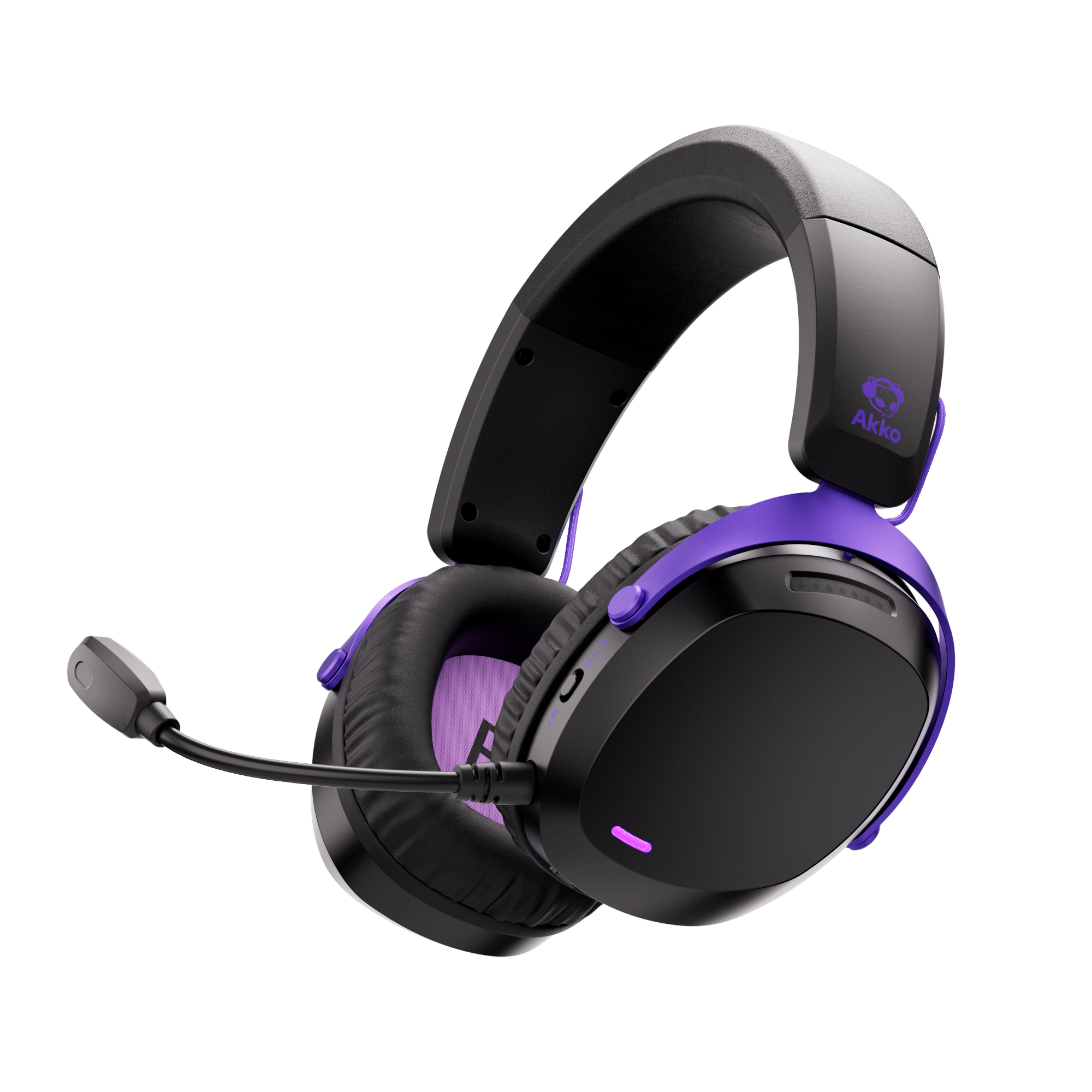
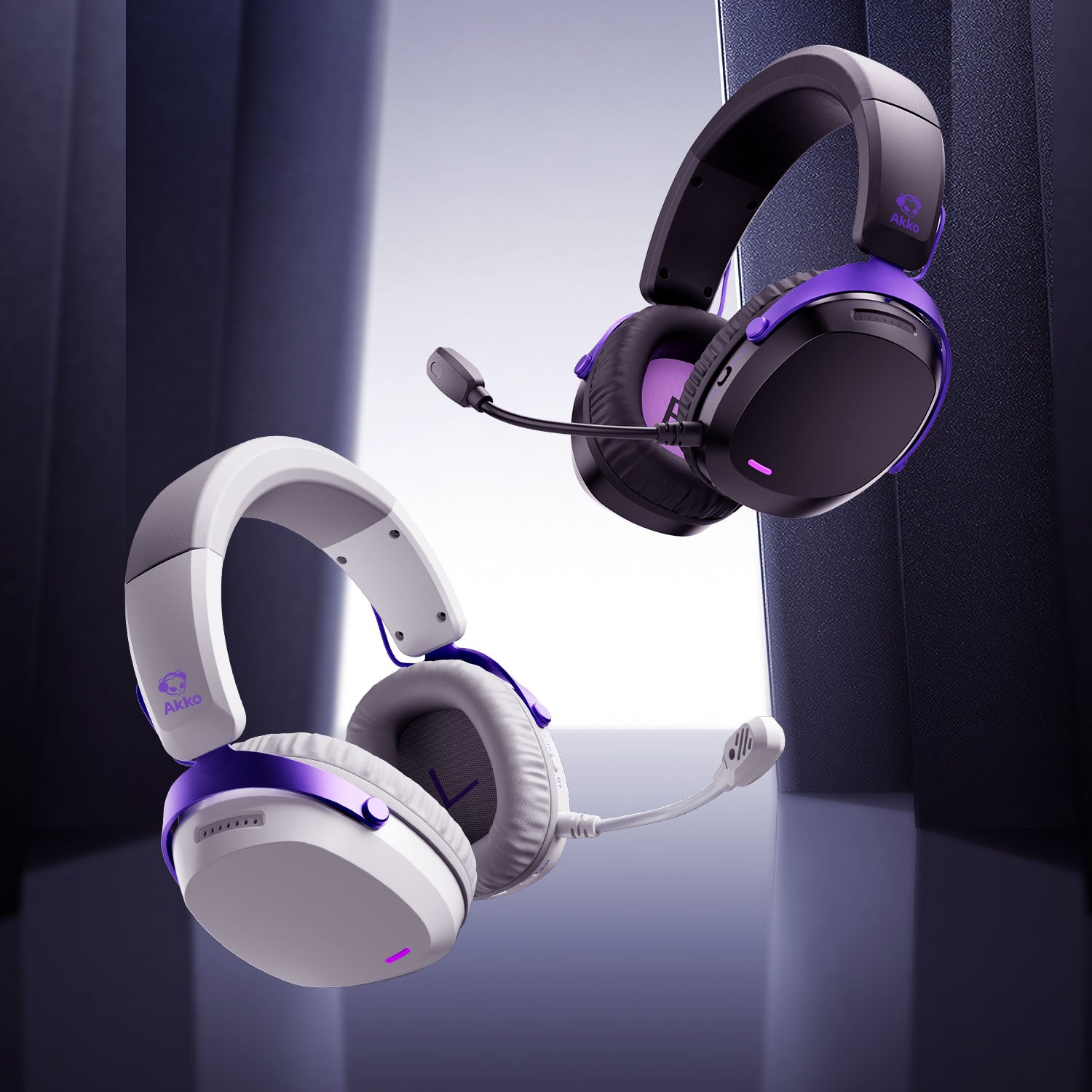
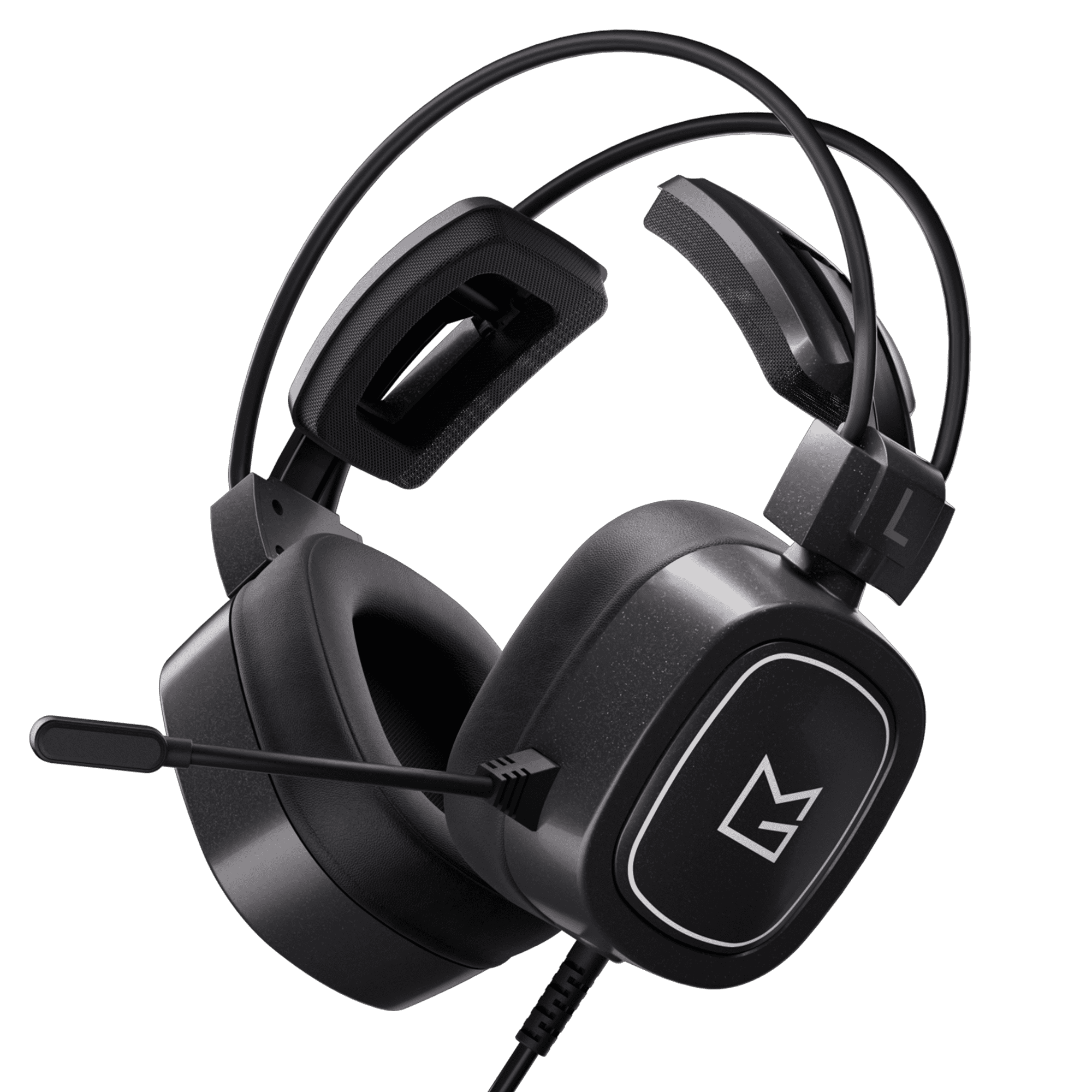
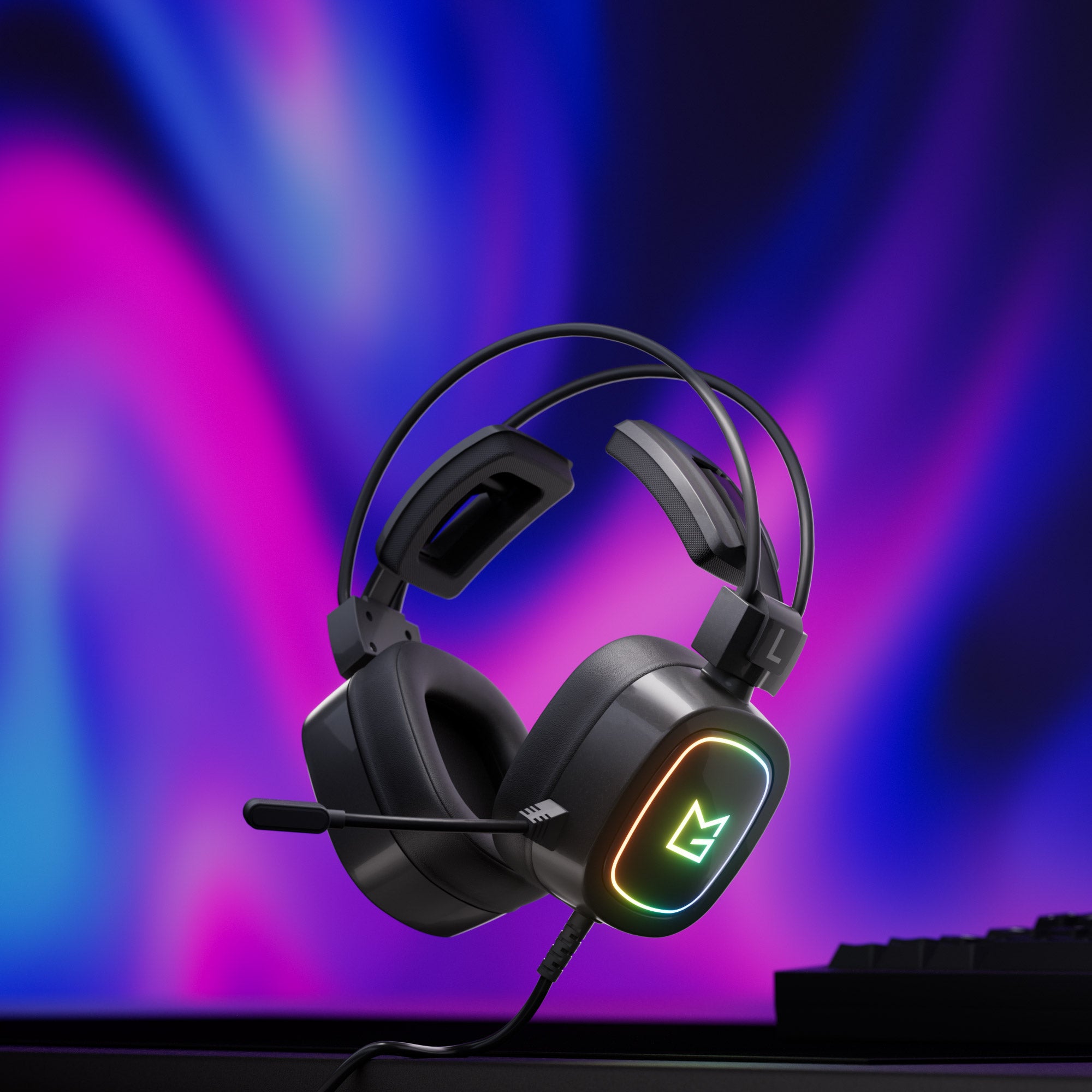
Verge S9 Ultra Gaming Headset
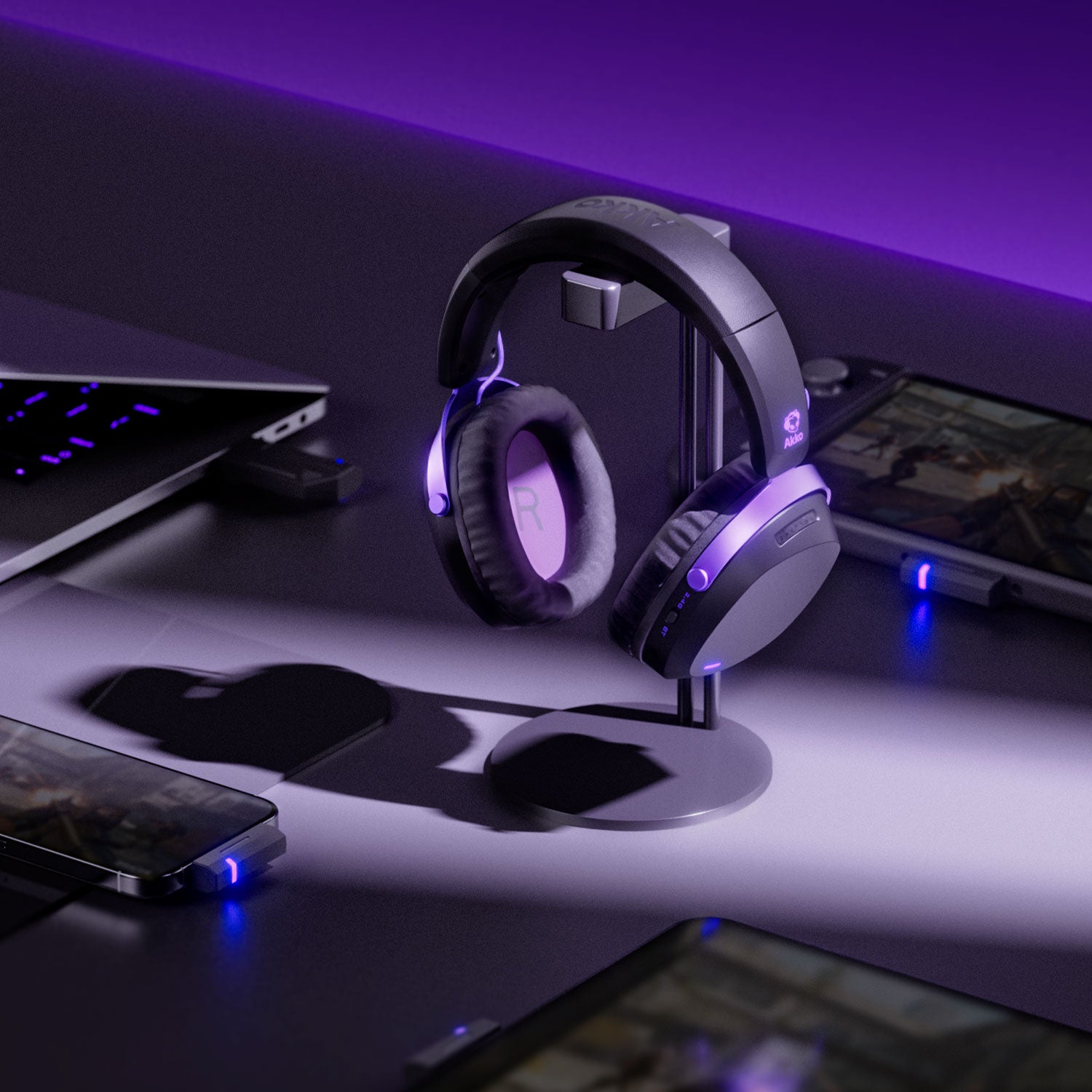
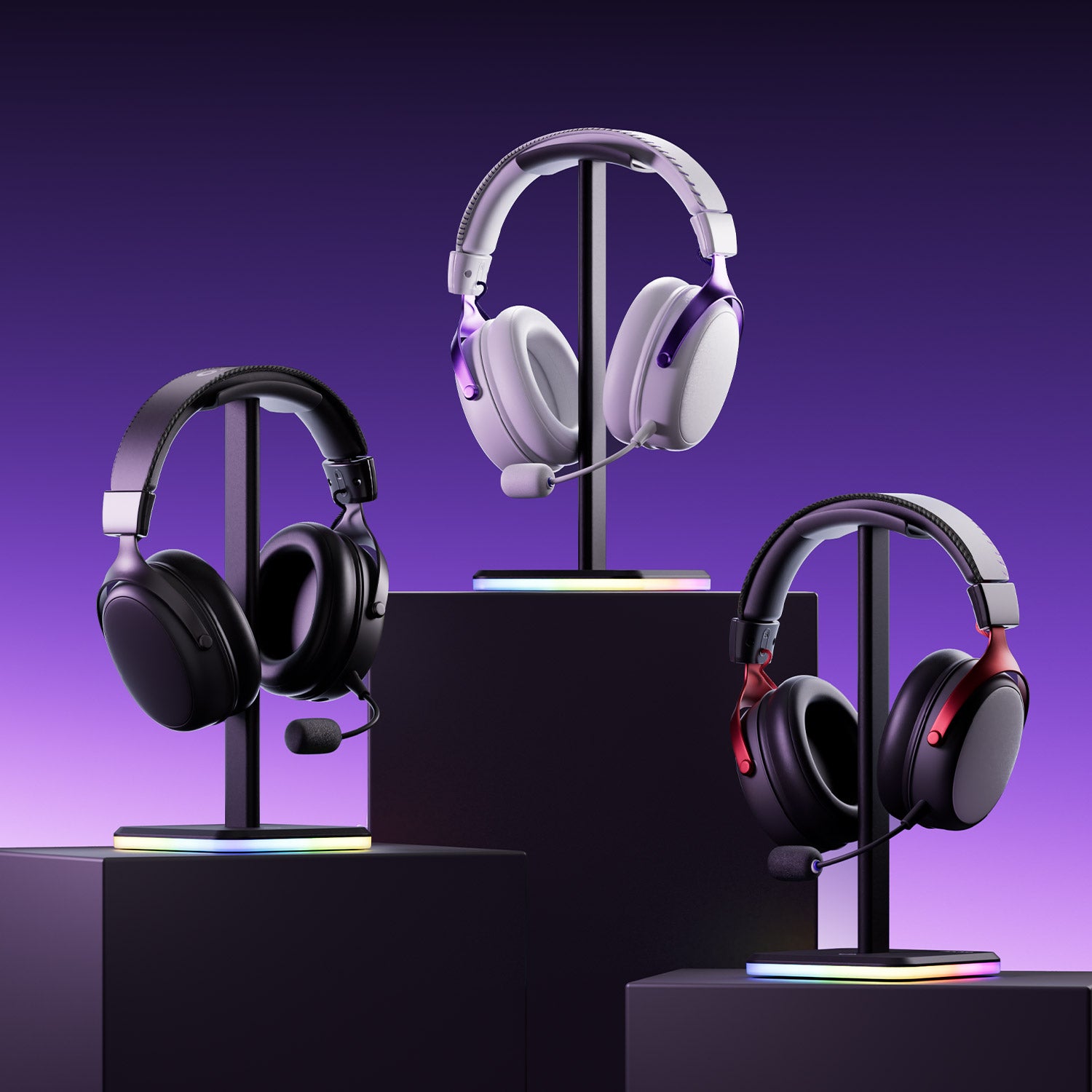
Verge S9 Ultra gaming headset has been recommended by Heise as the best value gaming headset. If you’re looking for great performance and value for FPS and general gaming, the AKKO Verge S9 Ultra is definitely worth considering.
Features:
- 53mm High-Performance Drivers: Deliver detailed sound with a wide frequency range, helping you catch subtle in-game cues like footsteps.
- N52 Neodymium Magnetic: ~17% stronger magnetic drive than standard neodymium drivers.
- Three-Chamber TCB Design: Enhances footstep detection and spatial cues, accurately distinguishing walls and elevation.
- 270g Lightweight Design: Suitable for long sessions without hurting.
-
Quad-Mode Connectivity: Wide compatibility and easy switching.
Conclusion
The magnet, diaphragm, and driver size set a headphone’s hardware limit. But the same hardware can sound very different with different tuning. Some headphones boost bass for bigger explosions. Others emphasize mids and highs to make footsteps clearer. Hardware shows what’s possible. Tuning decides how it actually sounds. When choosing headphones, check the hardware first, then the tuning. Pick what fits your gaming style.
FAQ
Does driver size affect microphone quality?
No, driver size only affects the headphones’ speakers, not the microphone. Microphone performance depends on the mic’s design, sensitivity, and placement, so a headset with a 50mm driver doesn’t automatically have a better mic than one with a 40mm driver.
Can 40mm drivers be as loud as 50mm drivers?
Yes, loudness is determined more by the headset’s sensitivity and power handling than driver size alone. While 50mm drivers can move more air for deeper bass, a high-quality 40mm driver can still produce plenty of volume for gaming or music.
Are 50mm drivers better for competitive gaming?
Not necessarily. 50mm drivers offer a wider soundstage and more immersive audio, which is great for open-world or cinematic games. For competitive FPS games, clarity of footsteps and positional cues is often more important than sheer bass depth, so some 40mm driver headsets perform equally well in esports scenarios.
Will bigger drivers make the headset heavier or less comfortable?
Generally, yes. 50mm drivers add slightly more weight, which can affect long-term comfort. Comfort also depends on earcup padding, clamping force, and headband design. Many high-end headsets balance driver size with ergonomics to keep them comfortable.



Leave a comment
All comments are moderated before being published.
This site is protected by hCaptcha and the hCaptcha Privacy Policy and Terms of Service apply.