






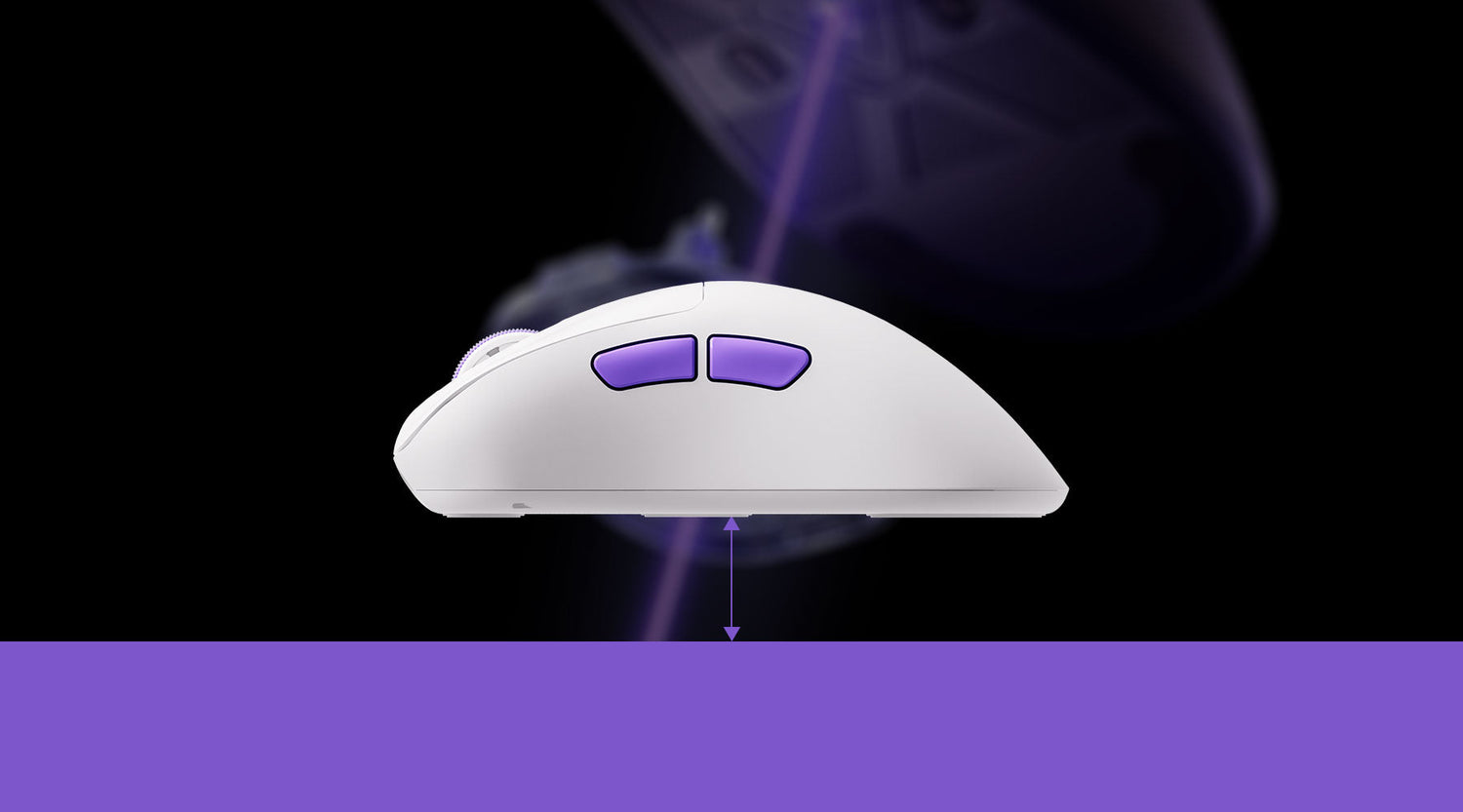
The mouse is an essential tool for interacting with a computer, and its performance directly affects your experience. One often overlooked but important factor is LOD (Lift-Off Distance)—the height at which the cursor stops moving when you lift the mouse. While not as well-known as DPI, it has a real impact on how smoothly you operate the mouse. Let’s take a closer look and see how it works.
What Is Mouse Lift-Off Distance (LOD)?
Mouse LOD (Lift-off Distance) is the height at which the sensor stops responding after the mouse is lifted. For example, with an LOD of 3mm, the mouse can be operated normally if lifted within 3mm, but it will malfunction if lifted more than 3mm.
Technical Principles
Modern optical mice use LEDs or lasers to illuminate the surface, and the sensor captures tiny “snapshots” of the texture underneath. By comparing changes between these images, the mouse calculates both direction and distance of movement. LOD (Lift-Off Distance) is the height at which the sensor decides the mouse has been lifted off the surface and should stop tracking.
Why is the Mouse LOD Important?
1. For Gaming
Precise Control
In games—especially competitive FPS games—players often need to lift the mouse to make large camera movements or fine adjustments. The right LOD (Lift-Off Distance) ensures that the sensor stops tracking as soon as the mouse leaves the surface, and resumes accurately when it’s placed back down.
This prevents unwanted cursor drift, reduces misalignment, and helps avoid costly in-game mistakes.
Adapting to Different DPI Settings
Players have different DPI (dots per inch) preferences—high DPI for fast movement and turning, and low DPI for precise aiming. LOD works hand-in-hand with DPI.
- For high-DPI players, a lower LOD helps prevent unnecessary tracking errors when quickly lifting the mouse
- For those who prefer low DPI, a slightly higher LOD can keep the cursor stable during slow, precise movements, making control feel smoother and more natural.
2. For Office and Daily Use
Improved Efficiency
In daily office work, users sometimes lift the mouse. A suitable LOD allows the mouse to stop responding immediately upon lifting, giving users greater control over the mouse position and improving accuracy and efficiency.
Enhanced Adaptability
Office environments are often complex, with diverse desktop materials. A mouse with a suitable LOD adapts better to different surfaces, ensuring stable tracking performance on ordinary mouse pads, wooden desktops, or smooth surfaces like glass, reducing cursor jitter or malfunction caused by surface changes.
3. For Ergonomics
Reduced Hand Fatigue
Correct LOD settings allow users to lift and lower their hands more naturally when using the mouse. Avoiding the need to consciously adjust hand posture due to the mouse stopping responding too early or too late.
Using a computer for extended periods helps reduce hand fatigue and lowers the risk of conditions such as carpal tunnel syndrome.
Improved grip comfort
When the LOD matches individual usage habits, users can grip and operate the mouse more comfortably.

Recommended LOD Settings by Use Case
Different use cases require different mouse LOD. Below are the recommended LOD for some common scenarios.
| Use Case | Recommended LOD | Technical Rationale |
|---|---|---|
| FPS Gaming (Cloth Pad) | ~1.0 mm | Delivers maximum precision by completely eliminating lift-induced tracking. Ideal for stable sensor reflection on cloth surfaces and consistent muscle memory. |
| FPS Gaming (Hard / Coated Pad) | 1.5–2.0 mm | Provides additional tracking stability on smooth or reflective surfaces, reducing the risk of micro jitter and signal loss at ultra-low LOD levels. |
| MOBA / RTS | 1.5–2.0 mm | Balances precision and rapid cursor repositioning. Ensures stable tracking during frequent clicking and fast camera movement. |
| MMO / Office Use | 2.0–3.0 mm | Prioritizes comfort and surface compatibility. Reduces the chance of unintended tracking cut-offs during relaxed use. |
| Multi-Mouse-Pad Users | ~2.0 mm (Compromise Setting) | Ensures consistent tracking behavior across different pad materials. Alternatively, surface calibration features (e.g., Logitech Surface Tuning) are recommended. |
| Wrist Aim Players | Slightly Higher (2.0–3.0 mm) | Lower lift frequency means a higher LOD is tolerable without affecting control consistency. |
| Arm Aim / Low-DPI Players | Must Be Low (1.0–1.5 mm) | Frequent mouse lifting demands ultra-low LOD to prevent cursor drift and landing offset, which directly impacts aim accuracy. |
Note: LOD optimization should always be evaluated together with DPI, sensor type, and mouse pad material. While lower LOD improves competitive precision, excessively low values on incompatible surfaces may cause intermittent tracking loss. The best setting is one that maintains both stability and consistency for your specific setup.
How Sensor Quality Affects LOD Consistency?
Optimizing LOD also depends heavily on sensor design and overall hardware consistency. Mice built with advanced sensors and stable surface tracking can maintain predictable lift behavior across different mouse pads, which helps players preserve muscle memory and aiming accuracy.
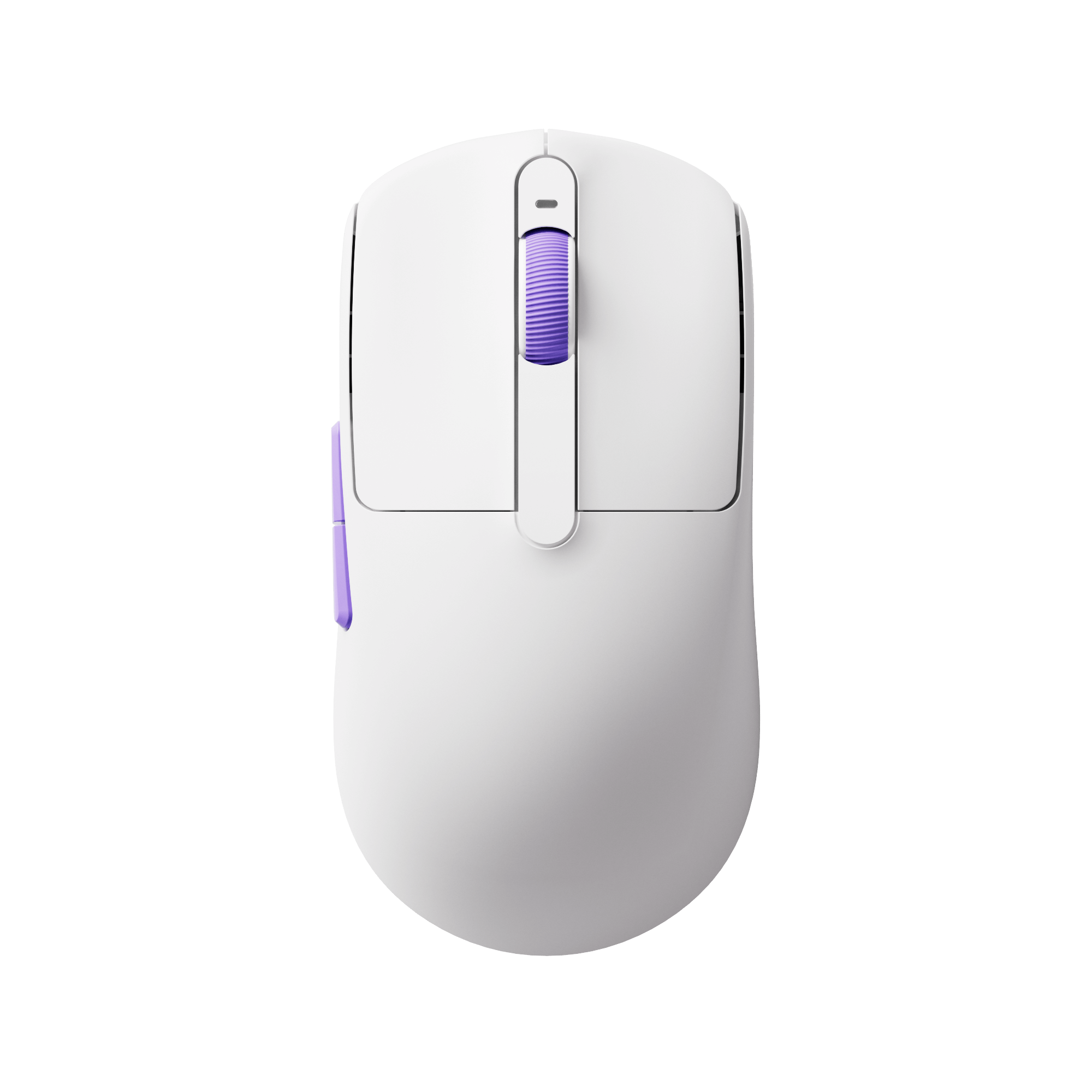
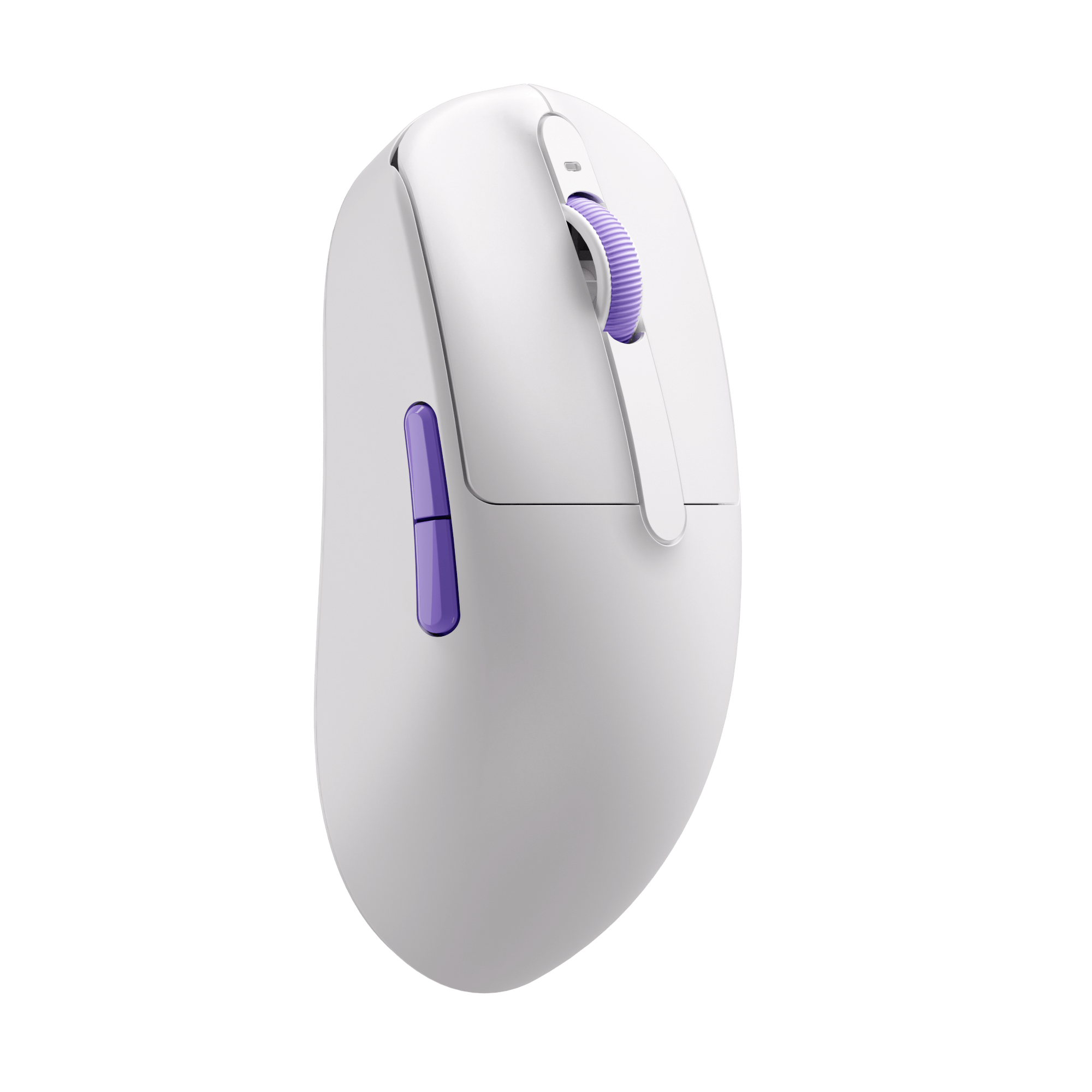
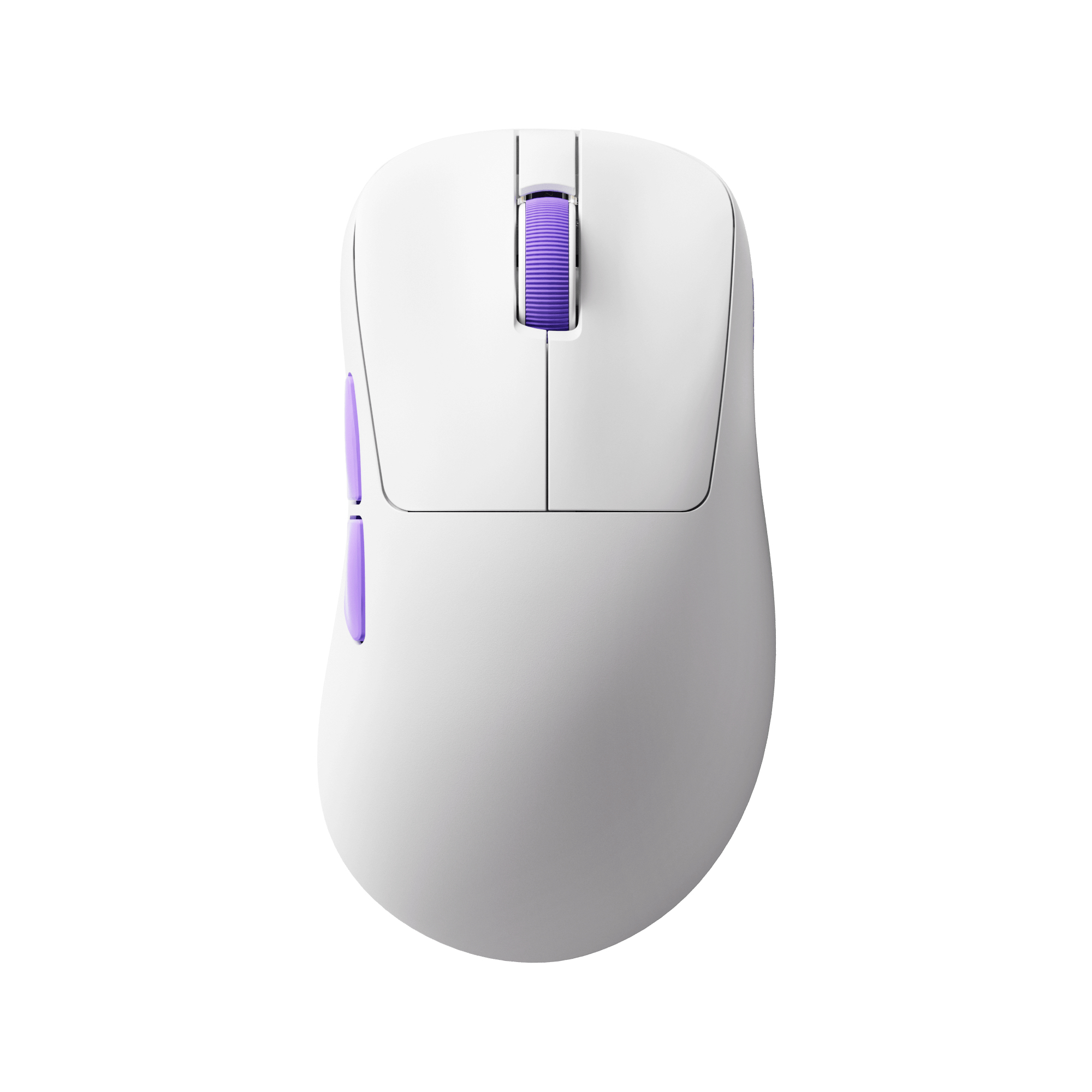
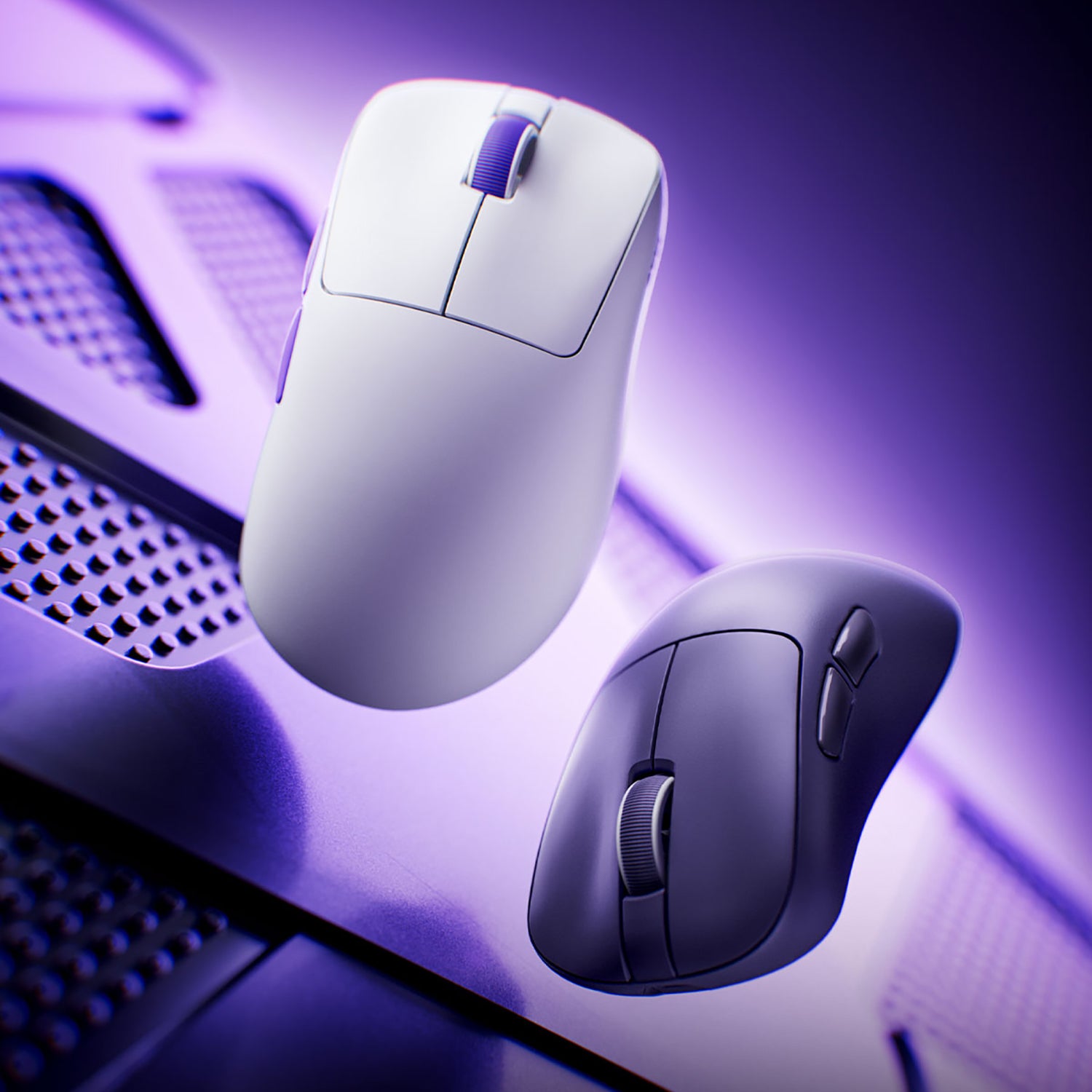
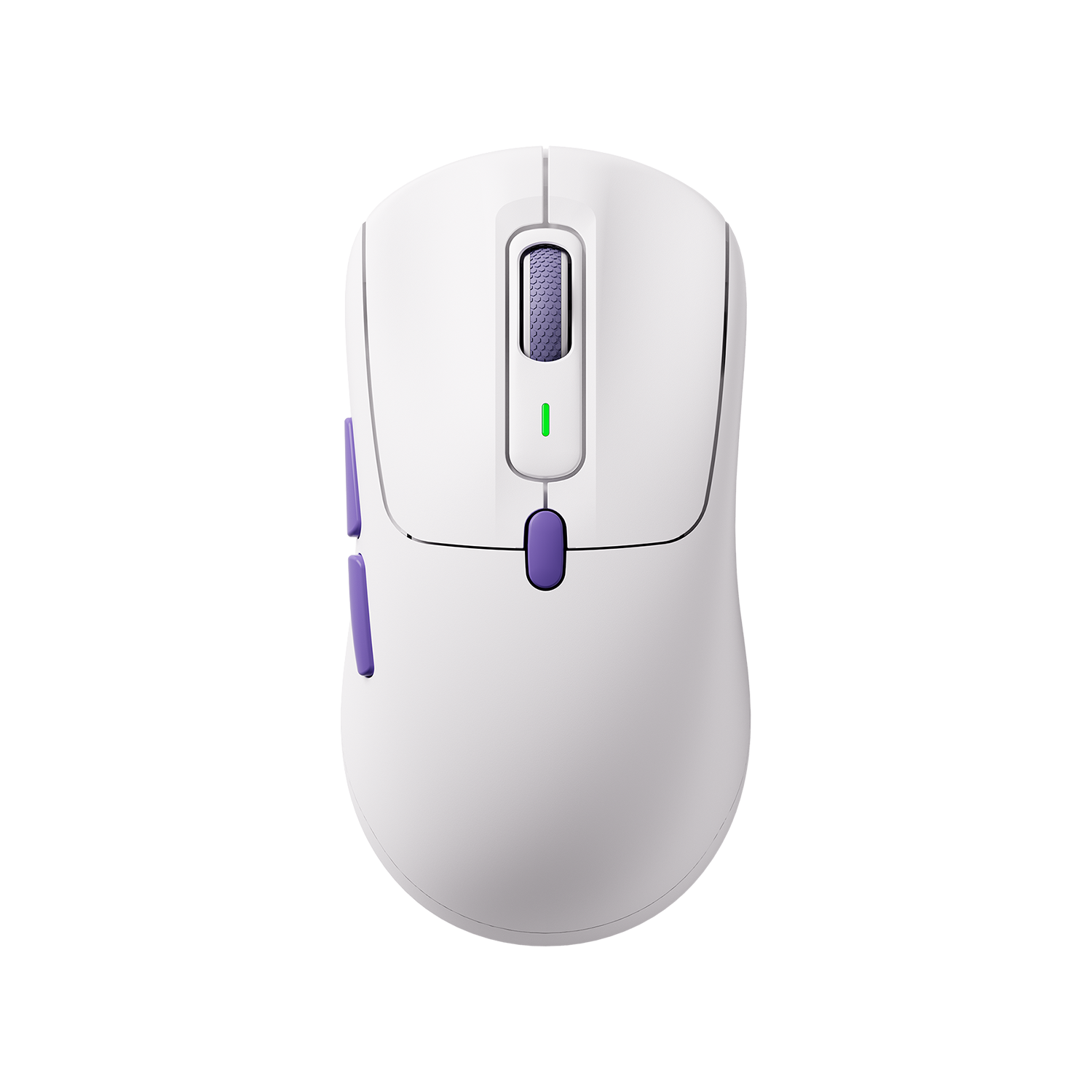
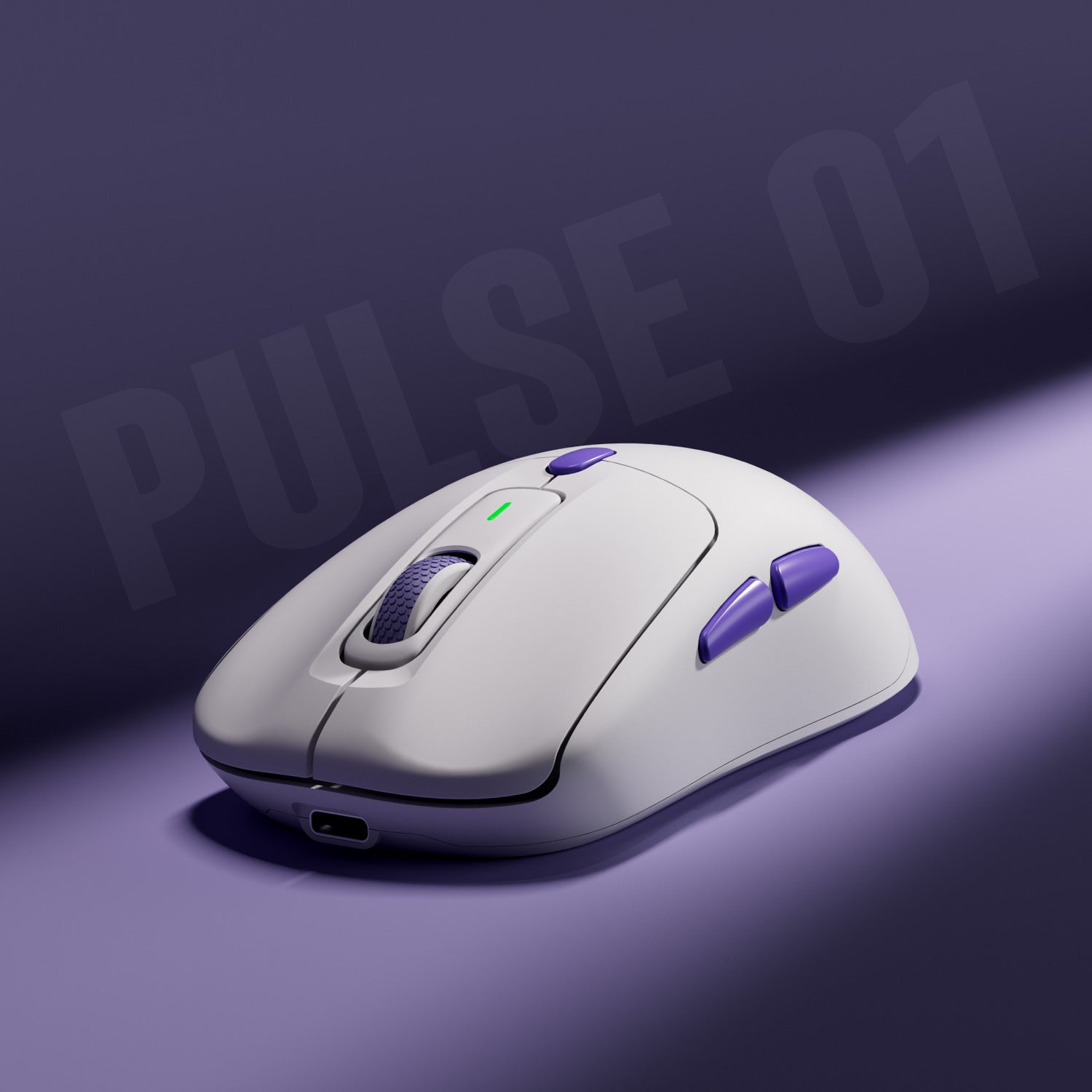
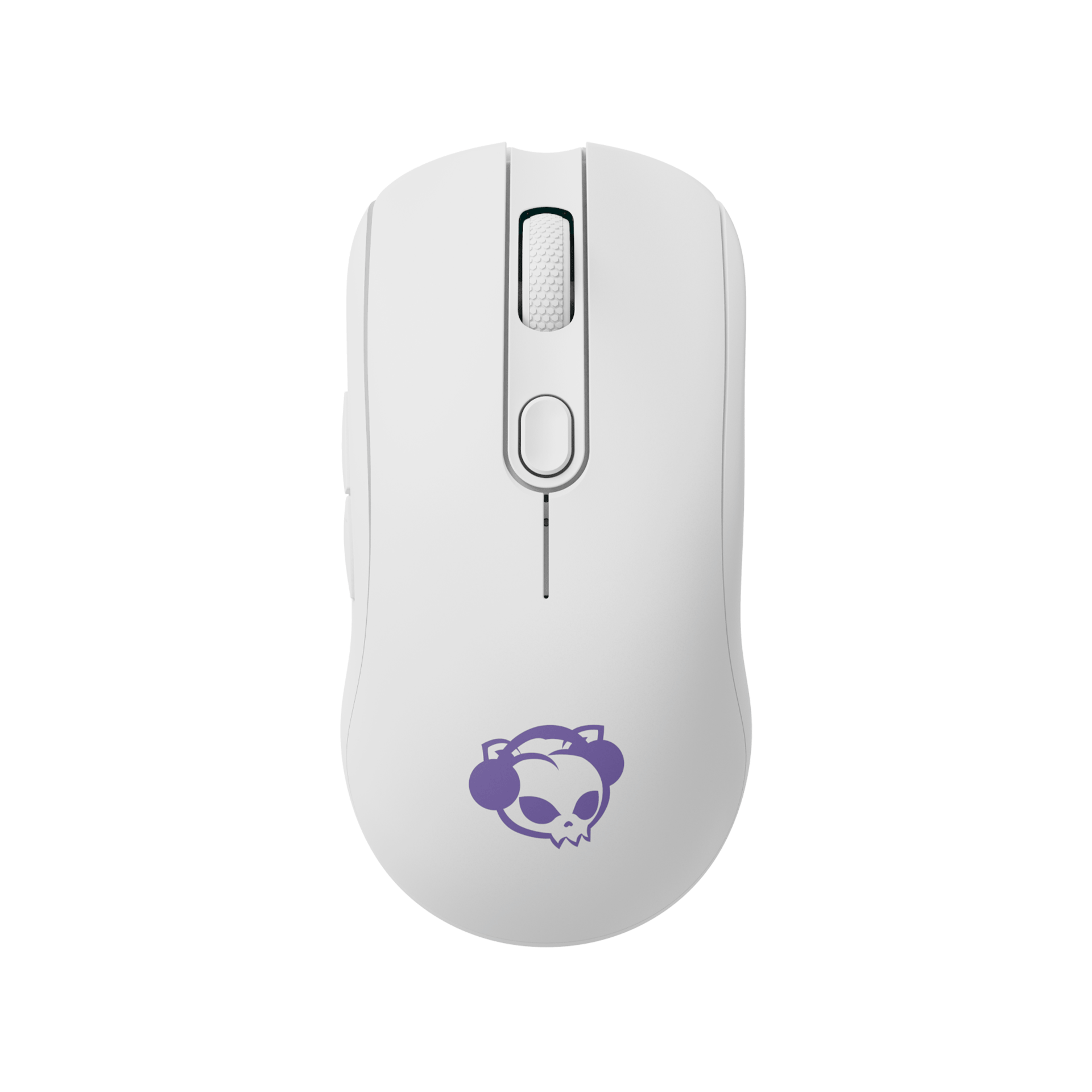
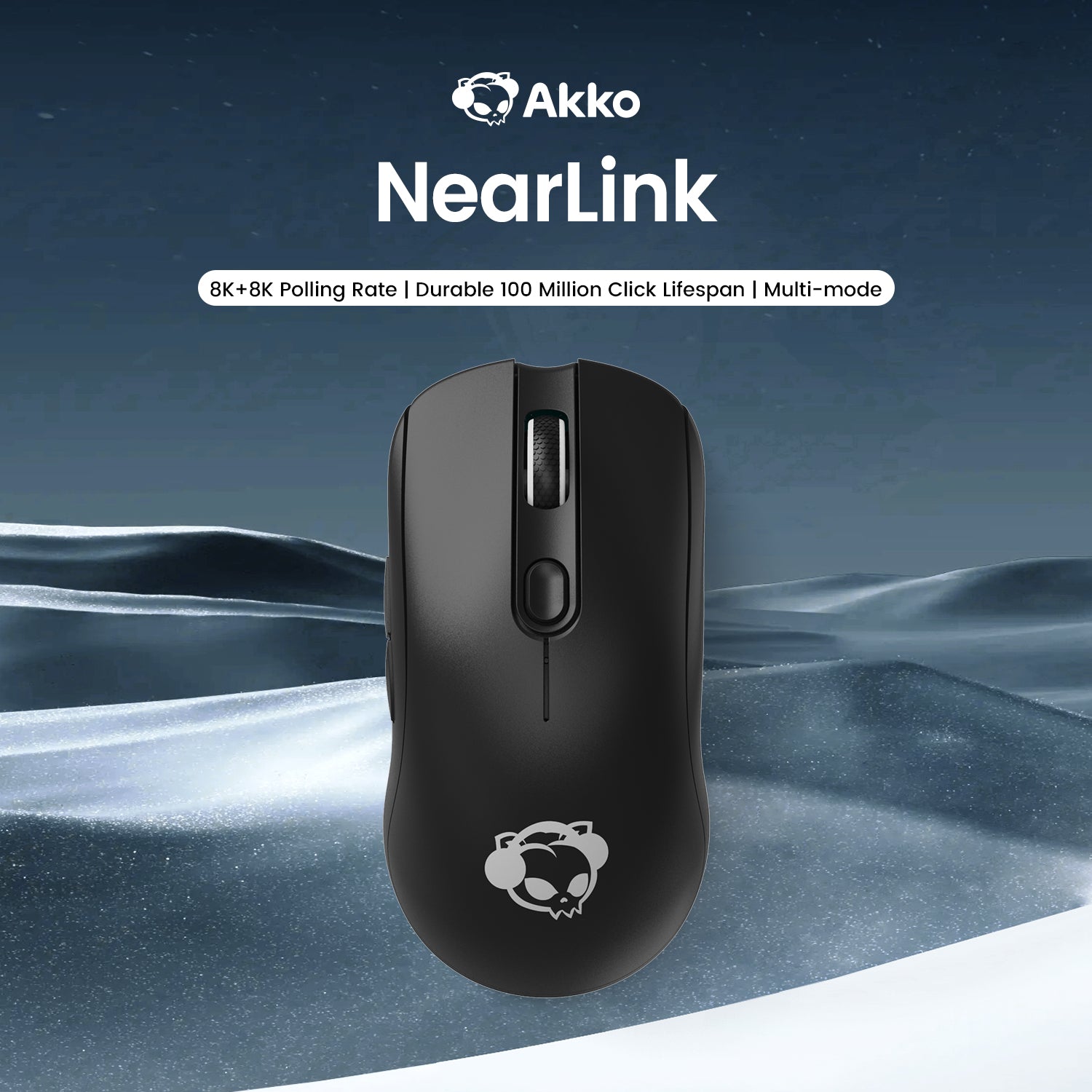
Performance-focused gaming mice such as the Akko Dash Gaming Mouse are designed with high-precision sensor calibration to support consistent tracking and reliable lift detection. Combined with lightweight construction and high polling performance, it helps reduce unintended cursor movement when repositioning the mouse, making it a practical option for players who rely on frequent lift-and-reset movements in competitive gameplay.

Akko Dash Gaming Mouse
- Ultra-responsive design with 8K Hz polling for near-instant input recognition
- Equipped with PAW3950 sensor and 8K Hz polling for ultimate precision
- Set LOD to 2mm, 1mm, or 0.7mm for less cursor drift and more precise tracking.
How to Change Your Mouse LOD?
If you are using the Akko Mouse, you can easily adjust the mouse LOD via the Akko Driver.
1. Connect Your Mouse with the Akko Driver
You can download the Akko Driver from the Download Center.

2. Go to Performance Settings

3. Adjust the LOD

FAQ
Is Lower LOD Always Better?
The low LOD is ideal for FPS and low-DPI users but may cause tracking issues on reflective or uneven surfaces. Casual users or high-DPI players may prefer a slightly higher LOD for comfort.
Does DPI Affect LOD?
DPI affects cursor sensitivity, not lift-off height. LOD is a separate hardware/firmware setting that determines when tracking stops after lifting the mouse.
However, in real gameplay, the two become closely linked, influencing how you feel and how you set up your controls.
- Low-DPI players are extremely sensitive to LOD: the low LOD is a necessity to avoid the jittering cursor drift.
- High-DPI players are relatively insensitive to LOD: they can accept higher LOD.
Do Expensive Mice Always Have Perfect LOD?
LOD depends on sensor type, firmware, and design, not price alone. Some premium mice have a higher default LOD for compatibility with various surfaces.
Will Glass Pads Make Your LOD High?
Modern sensors with surface tuning can maintain low LOD even on glass or coated surfaces. Surface type affects LOD but does not solely determine it.
Conclusion
The optimal LOD isn’t simply the lowest number—it’s the setting that makes you forget LOD even exists.
When you no longer think about how high to lift your mouse, when resetting your mouse becomes a completely subconscious movement, when your full attention stays on the game, not on your mouse - that’s when you’ve found your ideal LOD.
Now, open your mouse software and start your optimization journey!






Yorum yazın
Tüm yorumlar yayınlanmadan önce incelenir.
Bu site hCaptcha ile korunuyor. Ayrıca bu site için hCaptcha Gizlilik Politikası ve Hizmet Şartları geçerlidir.